A ceiling stain inside a Jenks condominium raises two different questions: what condition is visible in the unit, and who can provide information about the building components above it? An inspection can document the first without settling the second. That distinction matters when the association maintains the roof or exterior, but the effects of a problem appear inside your prospective home.
Start with the unit inspection boundary
Redbud Property Inspections offers condo and apartment inspections focused on visible, accessible components serving the individual unit. Association-maintained roofs and exteriors are excluded from this service. An interior report should not be read as an assessment of those excluded components simply because they connect to the unit.
Before booking a home inspection in Jenks, explain the property arrangement and share the available maintenance information. A condominium with its own accessible heating equipment presents different inspection access questions from a unit served by equipment behind a locked common-area door. Confirm the scope rather than assuming every component serving the unit can be reached.
Gather records that connect the spaces
Ask the seller or association manager for available roof and exterior maintenance records, prior leak reports affecting the unit, and information identifying the equipment that serves it. A dated work order can help explain whether a ceiling mark was associated with a reported roof leak, plumbing work, or another event. It is context, not proof that the underlying condition is resolved.
Association documents may also describe maintenance arrangements. Those documents belong in your separate transaction review; the inspector does not interpret legal duties or decide who must pay. Avoid converting a seller's statement that “the association handles that” into an inspection finding.
Our general home inspection guide provides broader background, but a condo appointment needs this additional conversation about unit boundaries. Gather records early enough that unanswered questions can be directed to the people with access to building information.
Make unit systems accessible without crossing boundaries
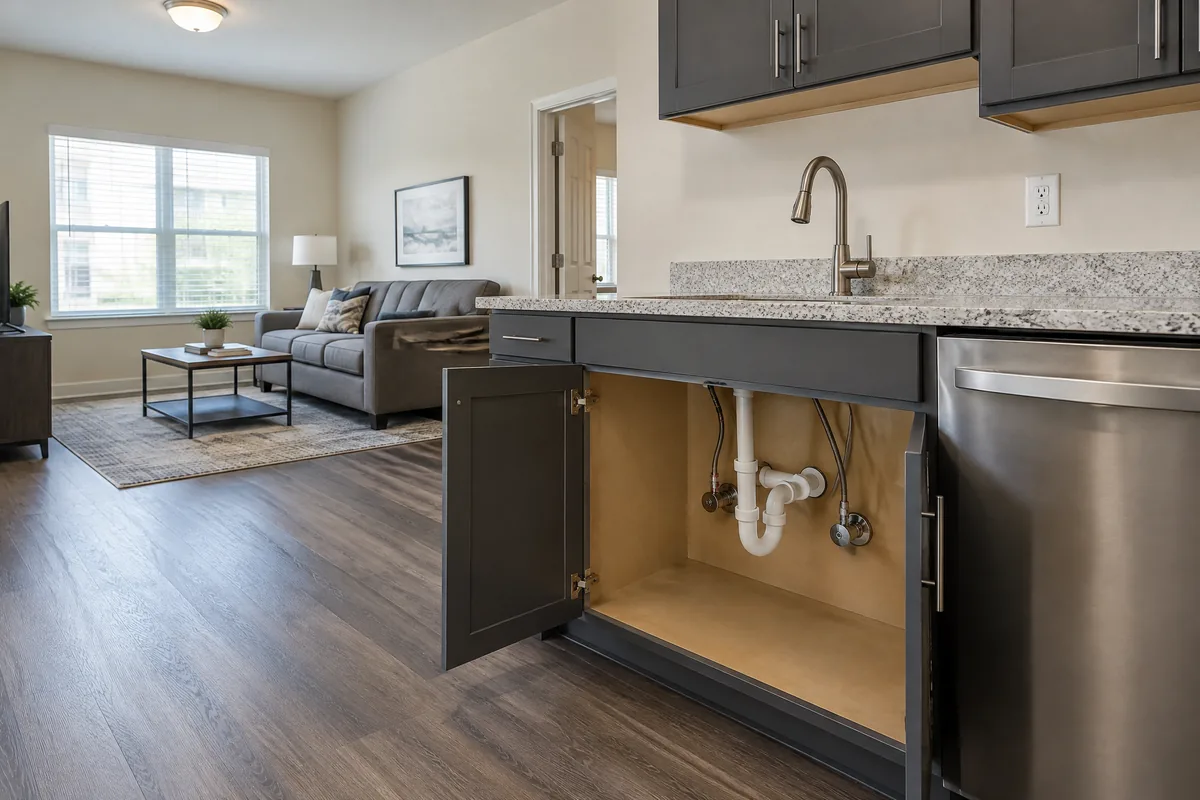
Clear ordinary access to the sink cabinet, electrical panel, water heater, thermostat, and equipment closets serving the unit. Applicable attic, garage, laundry, fireplace, and built-in appliance components can be part of the unit-focused inspection when present and accessible. Let the inspector know about locked doors or access that requires association permission before the visit.
Do not unlock shared areas without authorization, remove covers yourself, or turn on equipment that has been shut down. Access arrangements should be coordinated through the appropriate property contact. A missing key is a limitation to document, not evidence that the concealed equipment is functioning properly.
Shared equipment needs a specific access question
If heating, cooling, or hot water comes from shared equipment, ask what can be evaluated within the agreed unit scope. Accessible controls or fixtures inside the unit do not establish the condition of an entire shared system. The discussion of limited inspection scope on a renovated home illustrates the same principle: understand exactly what the appointment covers before drawing conclusions from the report.
Follow an interior clue without assigning a cause
Suppose the inspector observes staining near a window or moisture beneath a kitchen sink. The report can describe the location and observed condition. It may recommend further evaluation where the source is uncertain. A mark beside an exterior wall does not, by itself, establish an exterior defect or association responsibility.
EPA's moisture guidance emphasizes addressing the water problem behind moisture-related concerns. For a condo buyer, the useful next question is whether further investigation requires unit access, building access, or both. Photos and prior work orders can help the seller, manager, and appropriate contractor discuss that question without guessing from the stain alone.
Keep excluded areas on your follow-up list
An excluded roof is not a roof that passed inspection. Likewise, an inaccessible component is not automatically defective. Keep unresolved building questions separate from documented unit findings, and ask the association contact for relevant records or access arrangements.
If the unit is empty, our discussion of preparing a vacant property for inspection adds useful context about utilities and locked spaces. When you are ready, schedule with Redbud Property Inspections and provide the Jenks unit address, available maintenance records, and known access restrictions so the inspection begins with clear expectations.