
Preparing article…
Explore related services: 11-Month Warranty Inspections
Before a first-year builder warranty deadline, an 11-month inspection can document conditions that appeared after move-in. Here is what Oklahoma owners should know.
Explore related services: 11-Month Warranty Inspections
The first year in a new home is when you learn how the property actually behaves. You see how water moves during heavy rain, how the HVAC handles Oklahoma heat, whether doors stay aligned, how finishes respond to seasonal movement, and whether small leaks or installation issues begin to show themselves.
That is exactly why an 11-month warranty inspection can be useful. It gives the homeowner a broad, independent look at the property before applicable first-year builder warranty deadlines arrive.
A pre-closing new construction inspection is important, but it captures the house at one moment—often before the homeowner has lived through every season or used every system extensively.
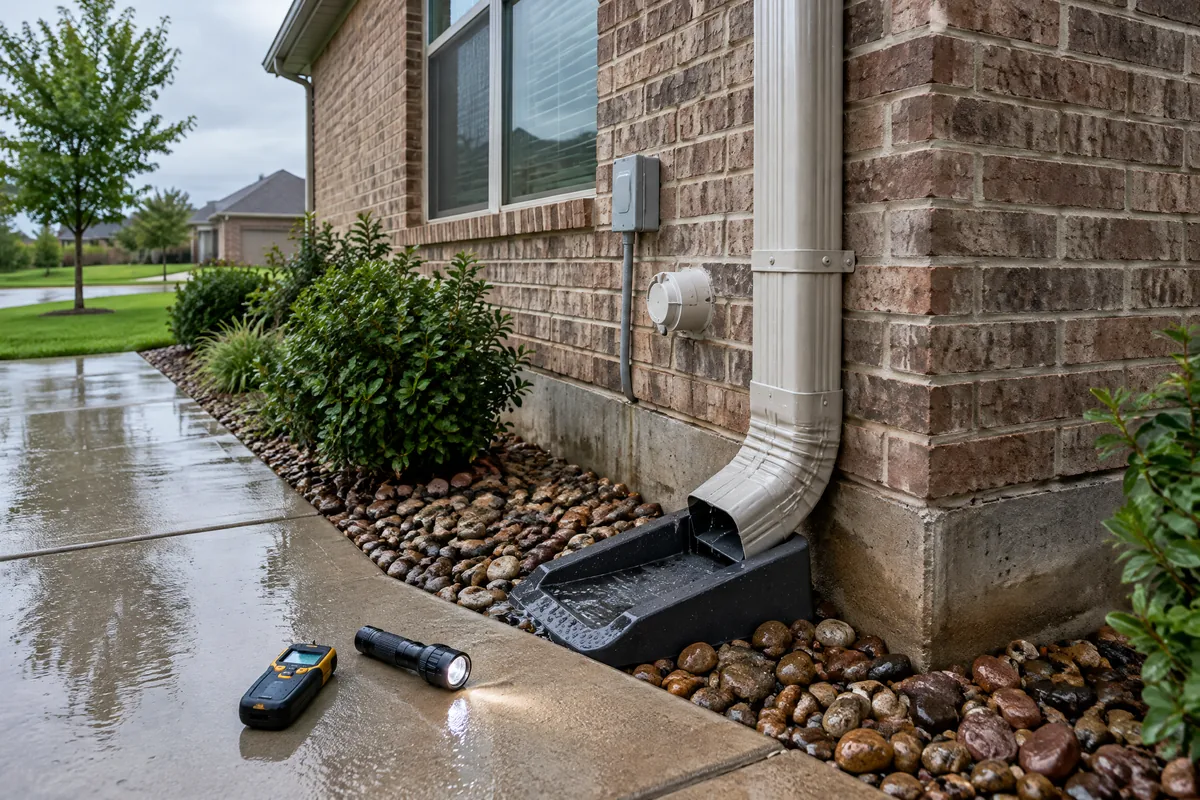
By the end of the first year, the home has been occupied, plumbing fixtures have been used regularly, heating and cooling equipment has worked through more demanding weather, and exterior drainage has had time to prove itself. Some conditions simply need time to become visible.
An 11-month inspection is not a repeat for the sake of repeating. It is a second look after the home has had time to settle into normal use.
Every property is different, but the inspection remains a broad whole-home review. Redbud looks at visible and accessible roofing, exterior components, drainage, structure, electrical, plumbing, heating and cooling, interiors, attic areas, insulation, ventilation, garage components, and installed systems included in the scope.
The difference is the timing. The inspector is paying particular attention to conditions that may have developed or become easier to recognize during the first year.
Examples may include changes around doors and windows, signs of moisture, drainage behavior, visible movement, HVAC concerns, plumbing leaks, attic or insulation issues, and finish conditions that deserve another look. The goal is not to create a giant cosmetic punch list. It is to identify meaningful conditions and document them clearly.
Homeowners sometimes know something "doesn't seem right" but have trouble describing it. A professional report helps turn that feeling into usable information.
Redbud's reports include photographs and written observations organized by system. That gives you a clearer record to use when you communicate with the builder or a specialist. It also separates a documented condition from a vague complaint.
The inspector does not decide what a builder must cover. Warranty terms vary, and coverage decisions belong to the builder and the applicable agreement. The value of the inspection is the independent documentation of visible conditions before the deadline.
If your builder warranty has a first-year deadline, scheduling at the very end can create unnecessary pressure. You want enough time to receive the report, review it, ask questions, and submit whatever documentation your builder requires.
Aiming for the 10- to 11-month point usually gives homeowners room to work through that process without racing the calendar.
Buying new construction does not mean expecting perfection. Homes are complex, and some movement or minor maintenance is normal. What matters is knowing the difference between routine ownership and a condition that deserves attention.
Redbud's 11-Month Warranty Inspection is designed to give Oklahoma homeowners that independent second look. If you had a Redbud new construction inspection before closing, the warranty inspection also gives you a chance to compare how the home has changed since move-in. If you did not, the 11-month inspection can still provide a valuable current-condition record before that first-year milestone passes.
One practical tip: keep your closing documents and builder warranty information handy before the inspection. Knowing the warranty deadline and any builder-specific reporting process makes it easier to act on the inspection report. If the builder uses a portal, form, or required submission format, having that information ready can save time after the inspection is complete.